
Technology

A full-stack safety architecture, from sensor to spacecraft.

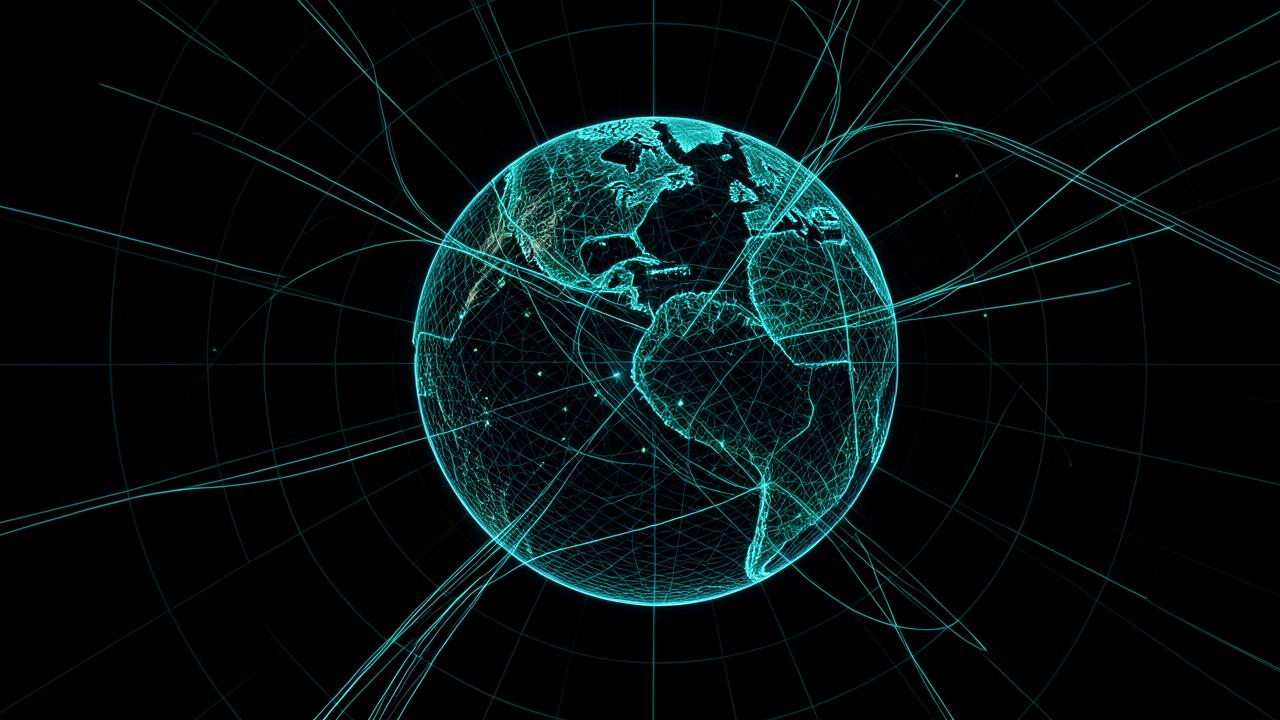
SpaceSafety AI is one continuous architecture: from the sensor through data fusion and AI assessment to the manoeuvre executed on board and the approval taken in the control room. Every layer detects risk and turns it into a protective action — for space, air, land, sea and cyber, from the same data foundation.

Sense
Fuse
Assess
Decide
Protect
Sensor fusion mesh

Sensor fusion mesh

Radar, optical, RF and on-board telemetry merged into one live picture.

Every observation — ground radar returns, optical tracks from telescope networks, passive RF emissions and telemetry downlinked from spacecraft — is time-stamped against a single reference clock and fused into one continuously updated state estimate per object. Instead of separate catalogues that disagree with each other, operators work from one truth with a quantified uncertainty attached to every track.

  • Multi-sensor association with per-track covariance
  • Sub-millisecond common timing reference
  • Automatic outlier and spoofing rejection

Neural conjunction engine

Neural conjunction engine

Millions of orbital pairings screened every hour.

A learned propagator screens the full catalogue against itself, ranks close approaches by true collision probability rather than raw miss distance, and explains each result. Physics-based propagation remains the backbone; the neural layer accelerates the search and calibrates uncertainty from historical outcomes, so warnings arrive hours earlier without a flood of false alerts.

  • Probability of collision with calibrated confidence
  • Learned drag and solar-radiation-pressure corrections
  • Explainable ranking for every alert
Laser and optical link layer

Laser and optical link layer

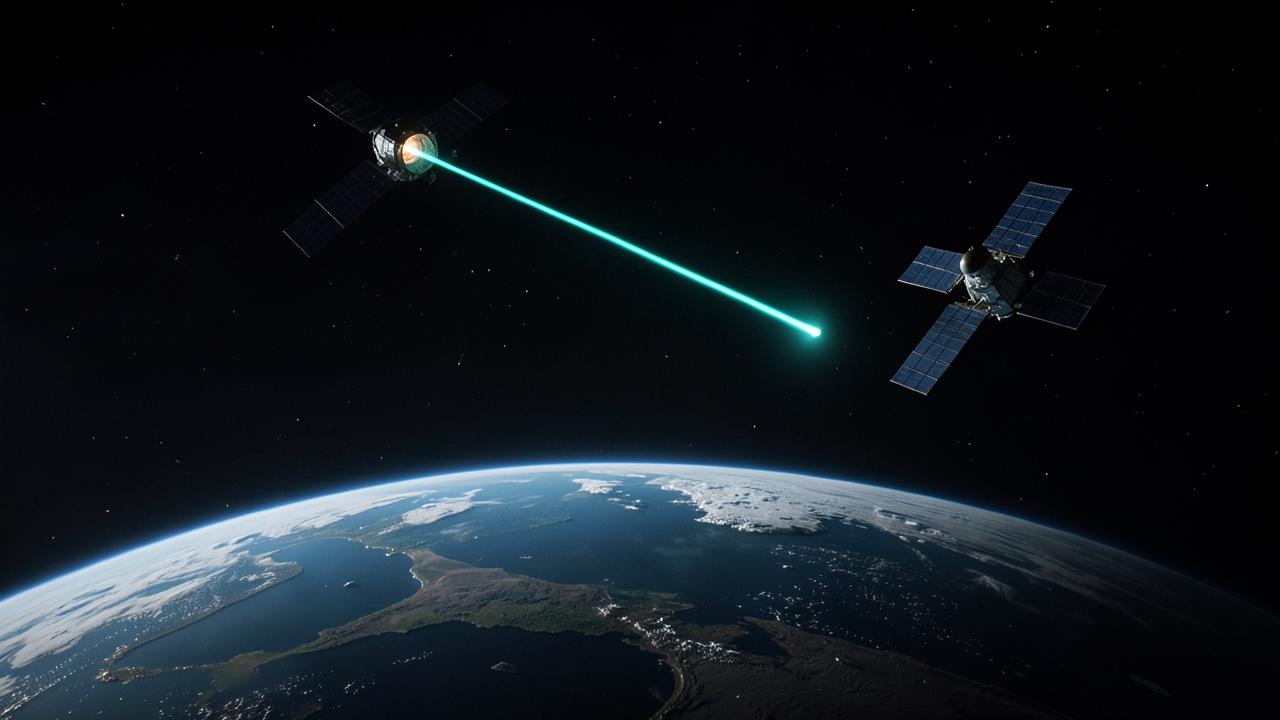
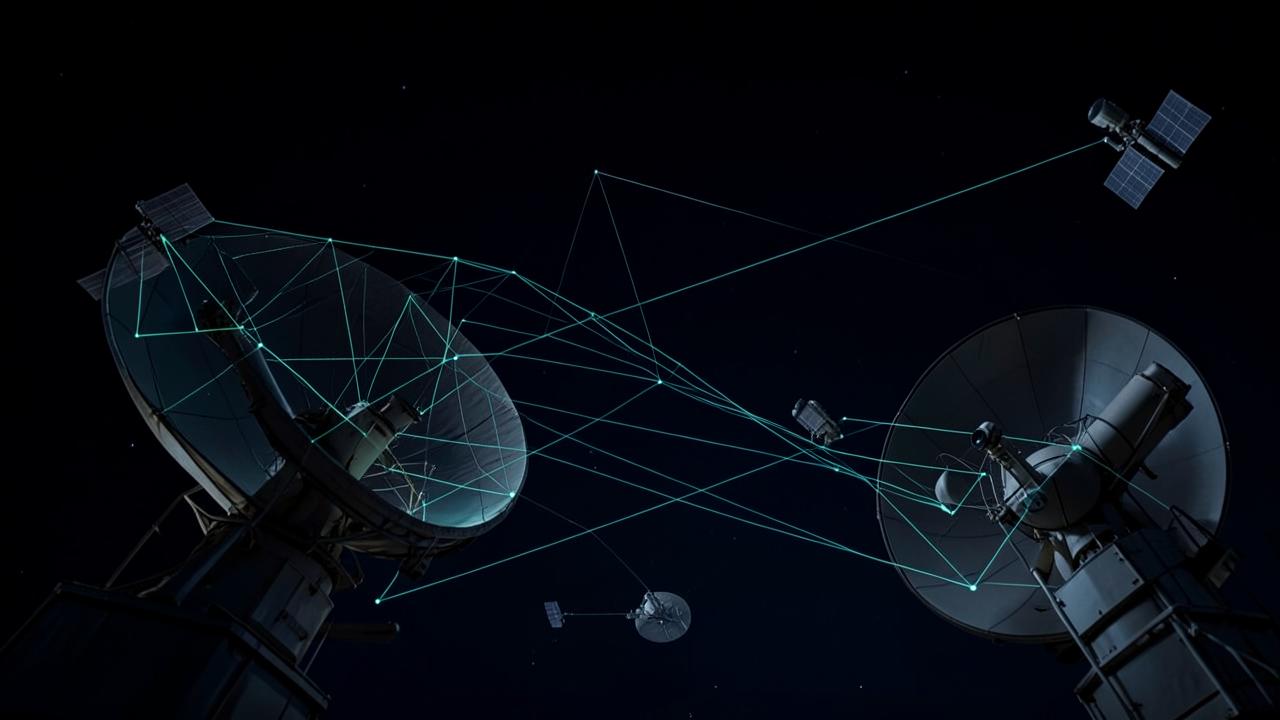
Optical inter-satellite links carry safety data at the speed of light.

Free-space optical terminals connect spacecraft to each other and to ground stations with high bandwidth, a narrow beam and no crowded radio spectrum. Because a laser link is directional it is far harder to intercept or jam than an RF channel, which makes it the transport of choice for manoeuvre commands and cross-domain alerts. Laser ranging additionally sharpens orbit determination down to centimetre level.

  • Optical inter-satellite and space-to-ground links
  • Centimetre-class laser ranging for orbit refinement
  • Directional beams resistant to jamming and interception
Onboard edge AI runtime

Onboard edge AI runtime

Decisions taken in orbit when the ground link is not available.

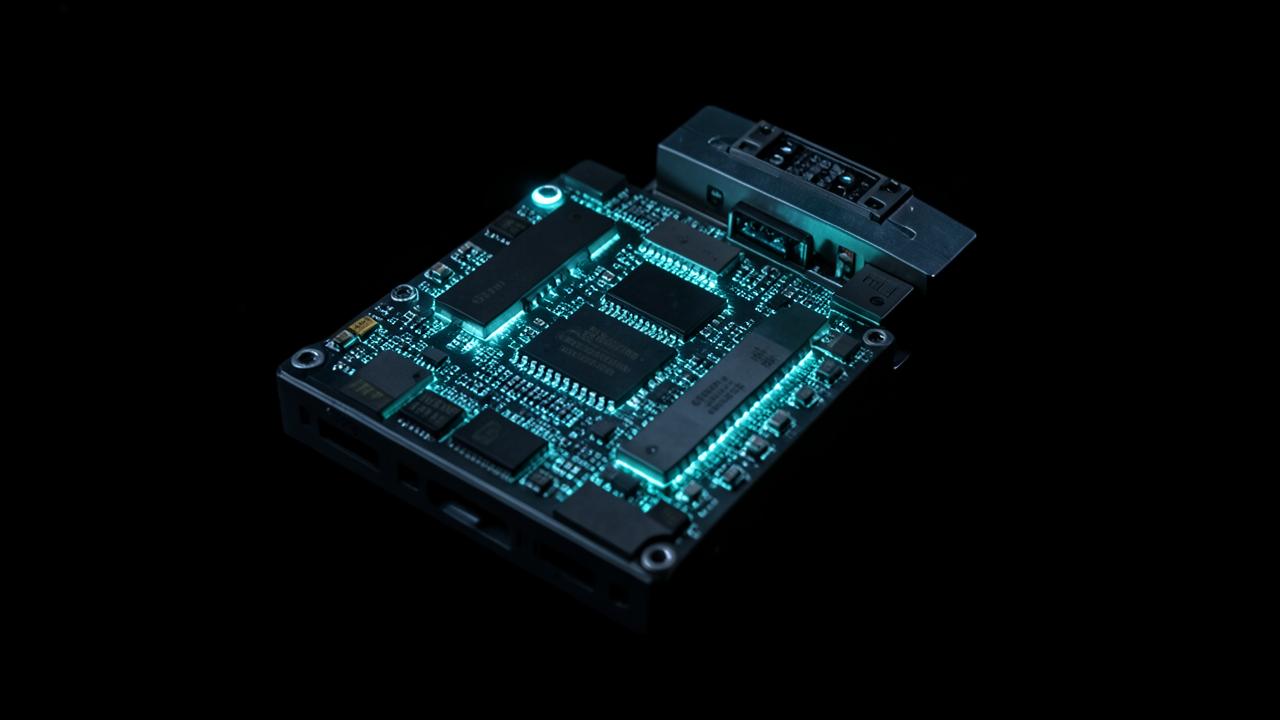
A radiation-tolerant compute module runs a compact version of the safety model directly on the spacecraft. It evaluates incoming alerts, checks propellant and attitude constraints and can execute a pre-authorised avoidance manoeuvre within its safety envelope — even during a link outage. Every autonomous action is logged, signed and replayed on the ground for review.

  • Radiation-tolerant inference hardware
  • Pre-authorised manoeuvre envelopes with hard limits
  • Signed decision log for post-flight audit
Quantum-safe security layer

Quantum-safe security layer

Every command and every alert is authenticated end to end.

Command paths are protected with post-quantum key exchange and hardware-backed signing, so a message that reaches a spacecraft can be proven to come from an authorised operator. Anomaly detection watches the link itself for spoofing, replay and unusual command patterns, and cyber events are treated exactly like physical ones: detected, scored and escalated in the same operational picture.

  • Post-quantum key exchange and hardware signing
  • Spoofing, jamming and replay detection on the link
  • Cyber events scored in the same alert pipeline
Orbital digital twin

Orbital digital twin

Simulate the manoeuvre before the spacecraft flies it.

A high-fidelity twin of the orbital environment replays the catalogue, the atmosphere and the constellation's own dynamics. Operators test a manoeuvre against thousands of perturbed futures, see the follow-on conjunctions it would create and pick the option with the lowest total risk — including the risk it hands to other operators.

  • Monte-Carlo futures with perturbed initial states
  • Follow-on conjunction check for every candidate burn
  • Constellation-wide fuel and coverage trade-offs
Space weather and re-entry modelling

Space weather and re-entry modelling

Solar activity drives drag — and drag drives risk.

Solar flares, geomagnetic storms and the resulting density changes in the upper atmosphere are ingested continuously and fed into the propagator. The same models forecast where an uncontrolled object will re-enter, how the debris footprint develops and which air and sea corridors need to be cleared, so aviation and maritime authorities receive a warning in time.

  • Live solar and geomagnetic index ingestion
  • Drag-corrected decay and re-entry windows
  • Debris footprint forecasts for air and sea corridors
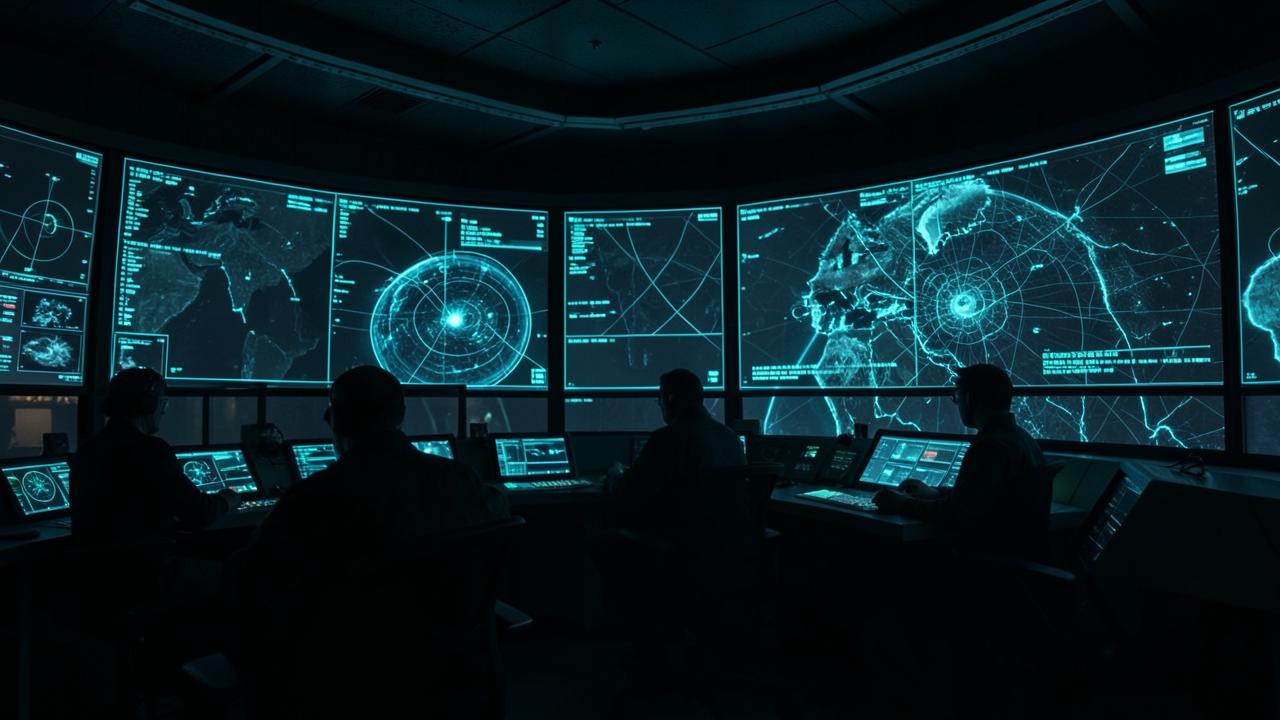
Operator command deck

Operator command deck

One console for space, air, land, sea and cyber alerts.

The command deck presents every detection, its confidence, the recommended protective action and the time left to act. Workflows cover approval, delegation and automatic execution, with full role separation and an audit trail. Open interfaces — CCSDS, CDM exchange and REST APIs — connect the deck to existing mission control and to partner authorities.

  • Cross-domain alert queue with time-to-act
  • Role-based approval, delegation and audit trail
  • CCSDS, CDM and REST interfaces to existing ground systems